



Wellington is a city of vertical hills and horizontal rain, a place where the sophisticated hum of Parliament meets the raw, salt-sprayed edge of the Cook Strait. It’s the next stop on our around-the-world adventure—and as we quickly learned, “Windy Wellington” is more than a nickname.
Technically, it’s late summer here, but the Antarctic gusts didn’t get that memo. We nearly got swept into traffic a time or two, and locals joke that if you stand between two buildings at the wrong time, the wind might knock you down. You really have to watch out.
Our question of the week: What’s the most traumatic weather experience you’ve ever had?
We love your comments, and read them on every podcast. This week we’d like to know about your most traumatic weather experience. Have you ever been swept away by a storm or snowed under by a blizzard? Our top commenter gets a free one-year subscription to Elliott Confidential, our sister newsletter.
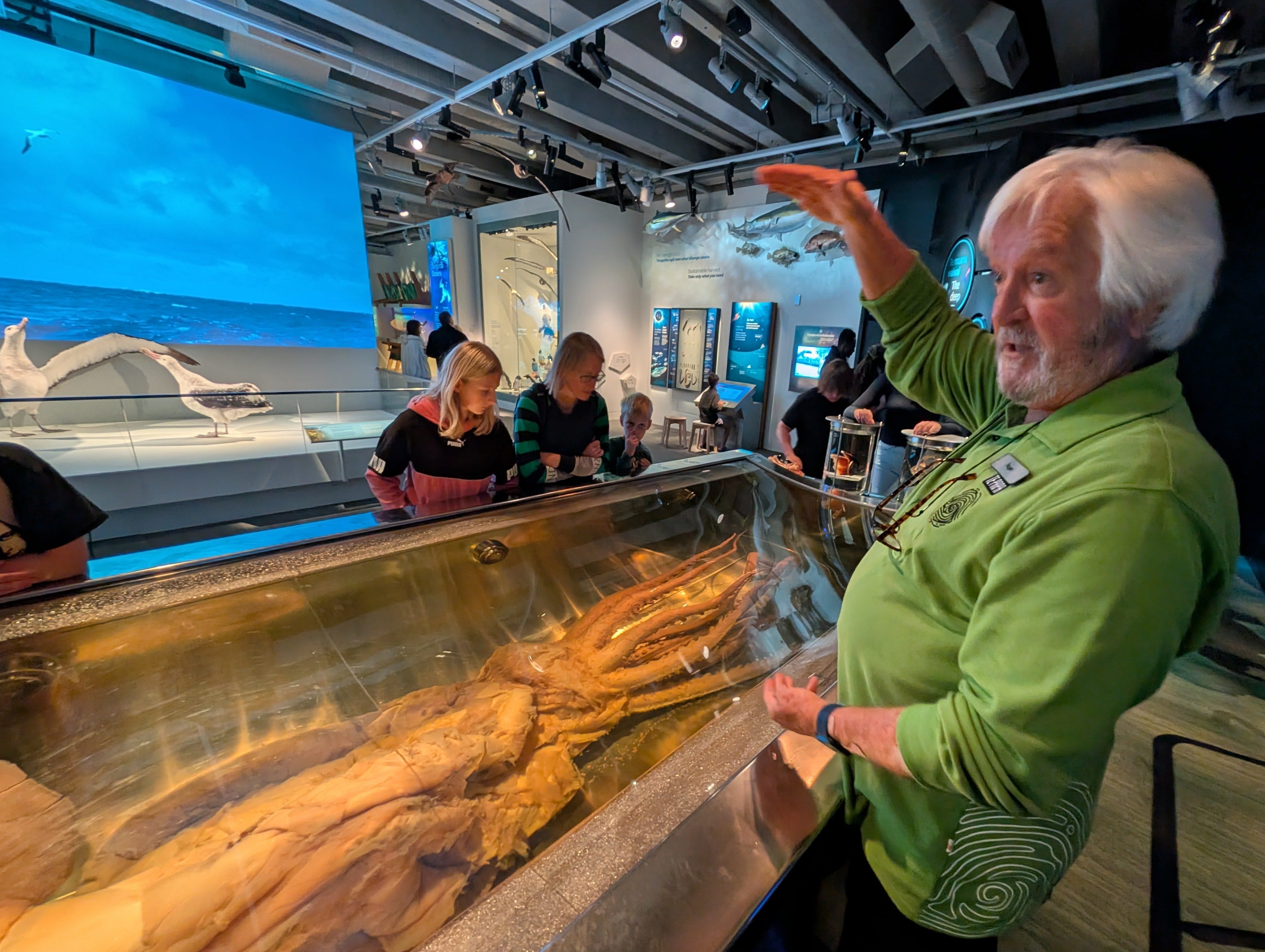
A colossal catch at Te Papa
If Wellington has a spiritual center, it’s the Museum of New Zealand Te Papa Tongarewa. We spent hours wandering through its halls, coming face-to-face with the world’s only intact colossal squid—a massive, oil-preserved specimen that will keep you out of the water.
But the museum isn’t just about the deep sea. It’s also a deep dive into the heritage of the Māori and Moriori people. We marveled at the whaka (traditional boats) and the intricate Rongo Marae Roa meeting place.
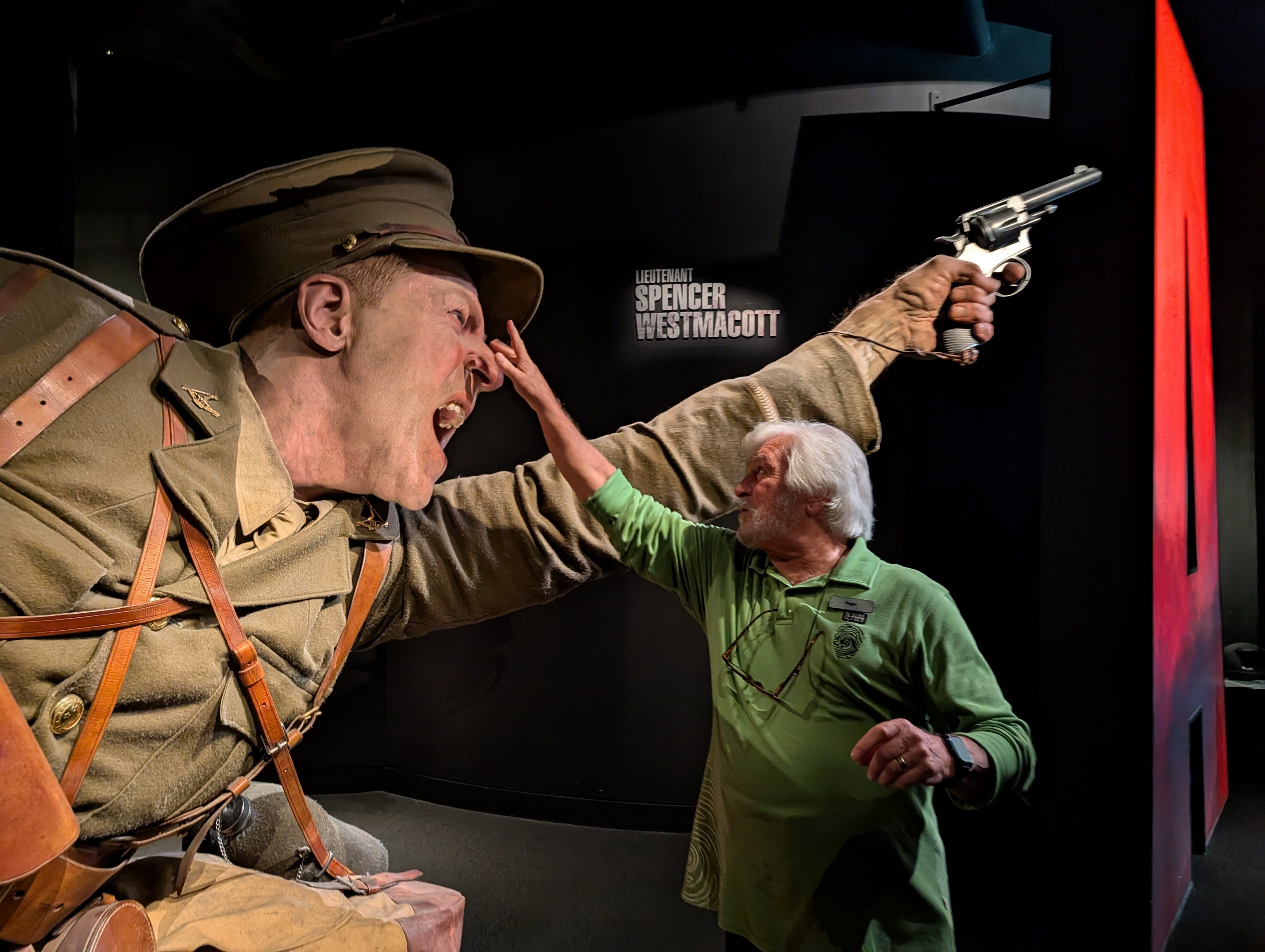
Pro Tip: Don’t miss the Gallipoli exhibit by Weta Workshop. The wax sculptures are 2½ times life-size and shockingly realistic—it’s an unforgettable, emotional gut-punch.
Radical kindness at Everybody Eats
One of the most impactful stops on our trip was a restaurant called Everybody Eats, located just off the vibrant Cuba Street, where we lived. This isn’t your typical bistro. It’s a mission-driven space that rescues food from grocery stores and transforms it into three-course meals. (I wrote more about it in Forbes.)
The concept is pay-as-you’re-able, ensuring that everyone—from travelers to those experiencing homelessness—can sit down to a high-quality meal. They are even turning banana peels into banana sugar in a quest for zero waste. It’s a beautiful, chaotic, and deeply human heart in the center of the city.
Heights, harbors, and high-stakes landings
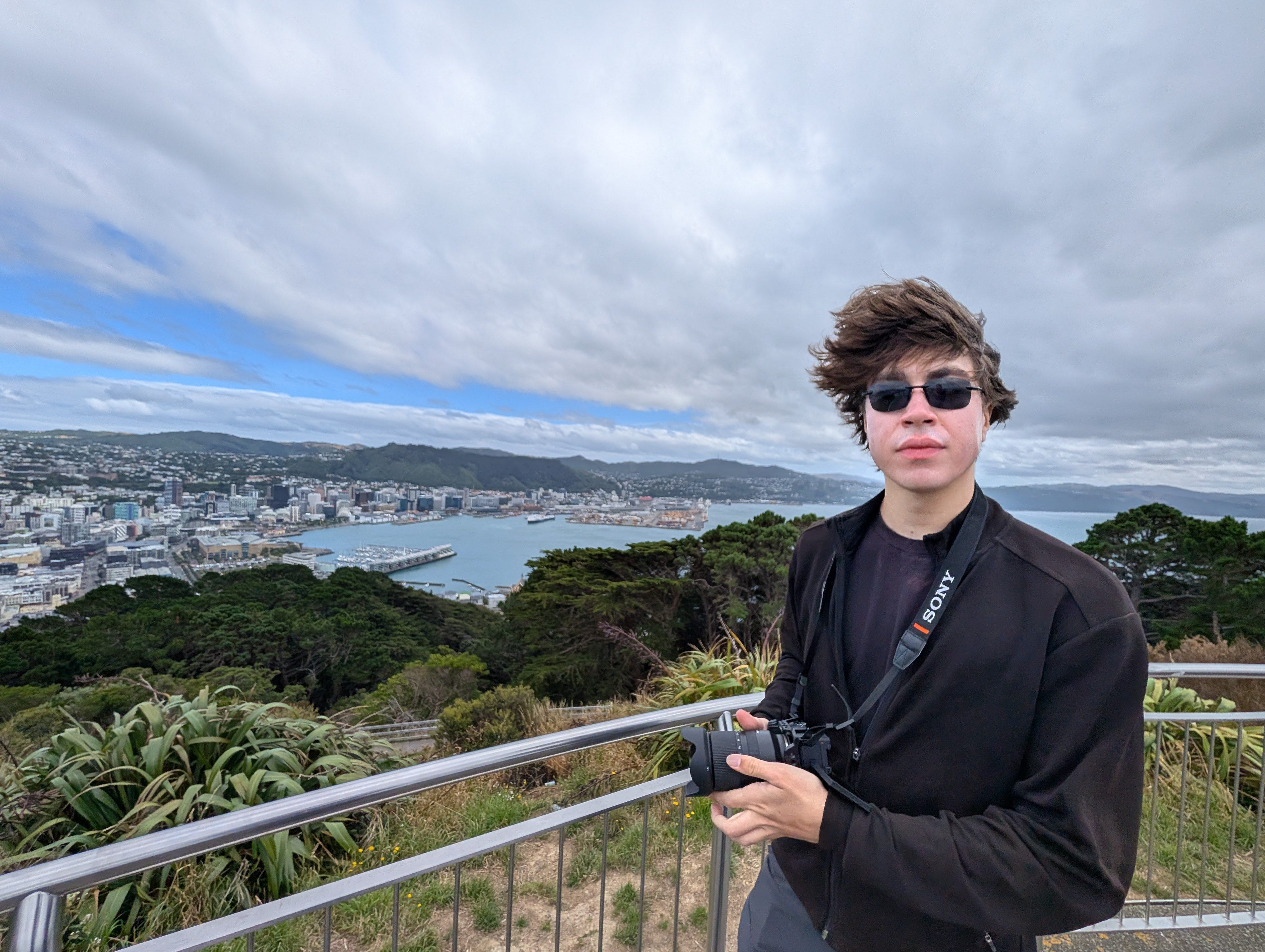
To truly see Wellington, you have to get above it. We took the iconic Wellington Cable Car from the Central Business District up to the Botanic Gardens. The view from the top is a panoramic sweep of the city and the harbor, nearly rivaling the vistas from Mount Victoria.
From the Mount Victoria lookout, you can watch the planes landing at Wellington Airport. Because of the fierce northwesterly winds, pilots often have to bring the planes in sideways—it’s a spectator sport for the brave and a nerve-wracking reality for the passengers.
Pro Tip: If you find yourself in the capital on a Sunday morning, head down to the waterfront for the Harbourside Market next to Te Papa. It’s the oldest and most popular market in the city, and even in a cold summer, the atmosphere is electric with live music and the smell of roasting coffee. While the seasonal produce is world-class, the real move is to grab a hot snack from one of the many food trucks and huddle behind a concrete barrier to enjoy it out of the gale. (Just keep a firm grip on your compostable plate, or your breakfast will become a high-altitude snack for the seagulls.)
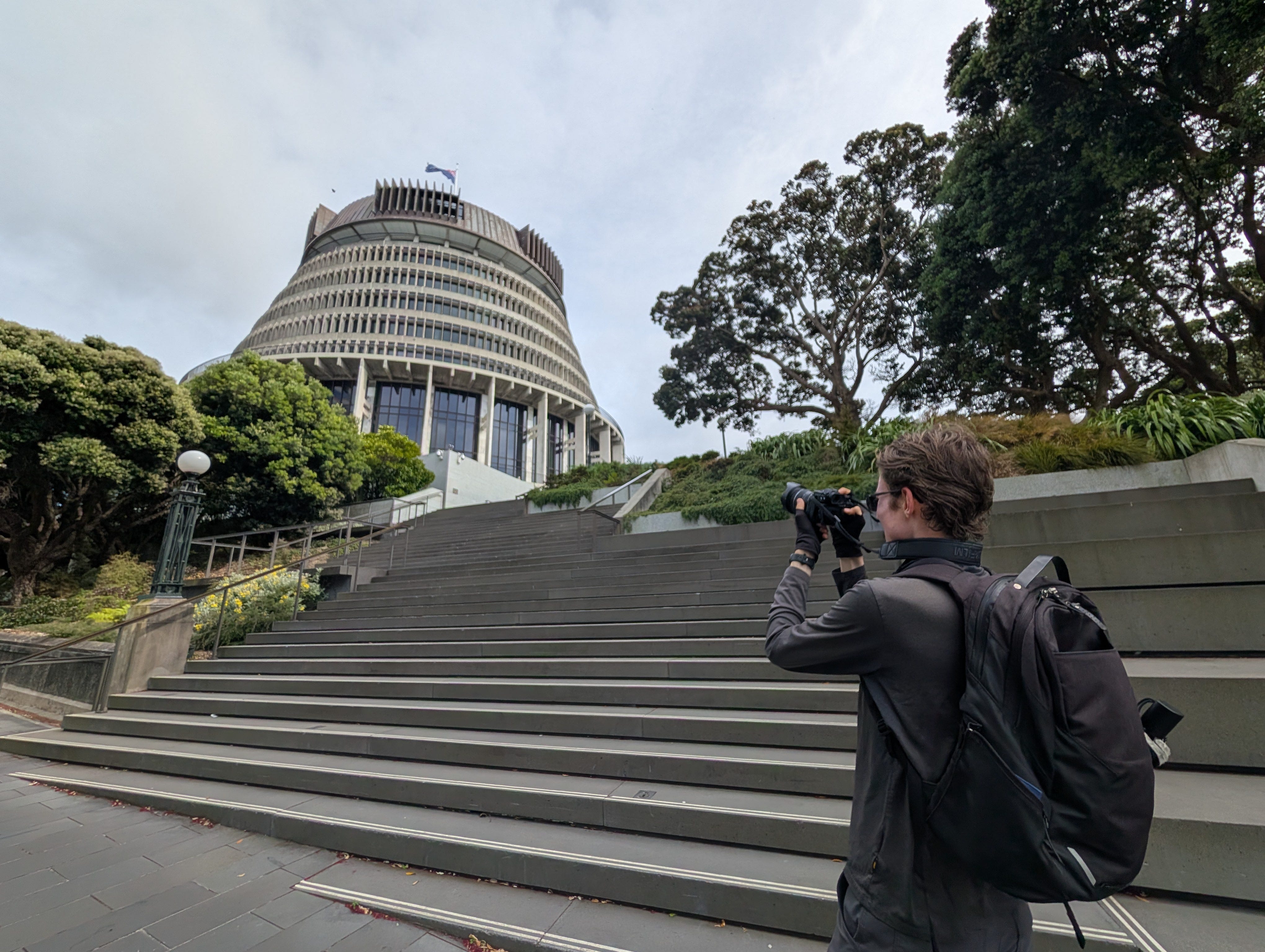
Our verdict on New Zealand’s capital
This is a city that rewards the curious. Whether you’re getting caffeinated on Cuba Street watching manta rays glide through the harbor, or eating vegan pastries from Vonuts that taste like a sugary dream, Wellington never stops moving.
Our next stop is Christchurch, New Zealand, but we’re leaving a piece of our hearts—and probably a few umbrellas—behind in the wind.
Don’t forget this week’s question: What’s your most traumatic weather experience? We’re giving away a one-year gift subscription!


